

The evolution of gambling A journey through history
The Origins of Gambling
The roots of gambling can be traced back to ancient civilizations, where games of chance were integral to social and cultural practices. Archaeological evidence suggests that as early as 3000 BC, the Chinese were using rudimentary forms of dice made from animal bones for gambling purposes. These games provided not only entertainment but also a means to predict outcomes and luck, intertwining gambling with spirituality and belief systems. Furthermore, those looking for a fun escape often turn to the best casino online for their gaming needs.

In ancient Rome, gambling became a popular pastime among both the elite and the lower classes. The Romans were known for their betting on chariot races and gladiatorial contests. This not only showcased the thrill of competition but also established a foundation for organized betting systems that would evolve over the centuries. The acceptance of gambling in various cultures helped solidify its place as a staple form of entertainment.
The Middle Ages and Regulation
During the Middle Ages, gambling faced various challenges, including religious opposition and attempts at regulation. In many parts of Europe, church authorities condemned gambling, associating it with sin and vice. Despite these restrictions, underground gambling continued to thrive, illustrating the enduring allure of chance and risk-taking. The development of card games during this time marked a significant evolution in gambling, as they became a central feature in social gatherings.
As societies began to emerge from the constraints of the Middle Ages, gambling started to gain legal recognition. The establishment of official lotteries in cities such as Florence in the 16th century provided a structured and lawful means for people to engage in gambling. This shift from clandestine activities to sanctioned games reflects the changing attitudes toward gambling as a legitimate form of entertainment and a source of revenue for governments.
The Birth of Modern Gambling
The 17th and 18th centuries saw the birth of modern gambling with the establishment of the first casinos in Europe. These establishments introduced a new level of sophistication and regulation, offering games such as roulette and baccarat to a burgeoning class of wealthy patrons. The rise of casinos marked a pivotal moment in gambling history, providing a glamorous atmosphere where social status and wealth could be showcased through chance.
The advent of betting on horse racing during this period also significantly influenced gambling culture. Betting shops began to appear in England, allowing a wider population to participate in wagering activities. This era solidified the connection between gambling and leisure, creating a framework that would continue to evolve into the present day.
The Digital Revolution and Online Gambling
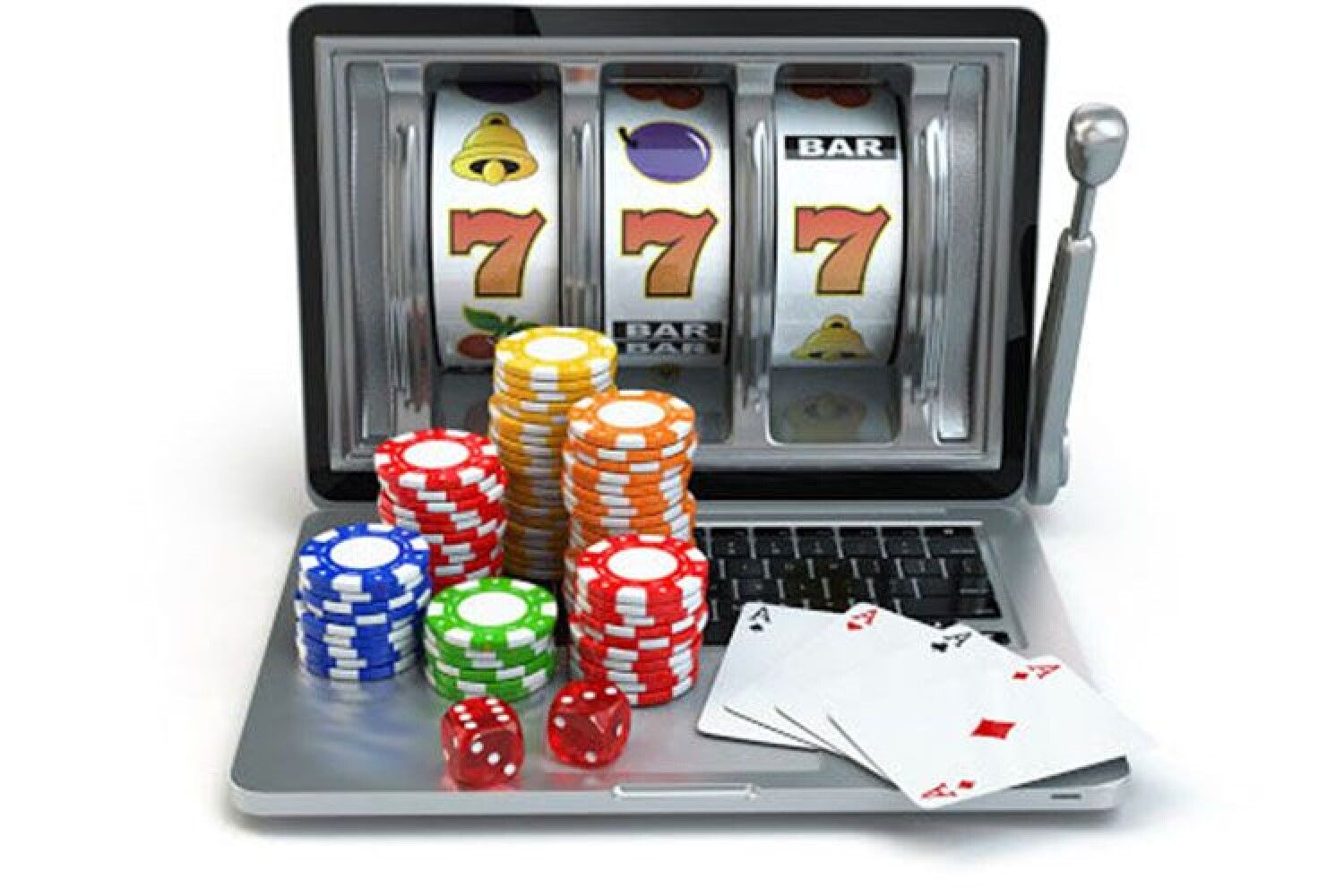
The late 20th century brought about a monumental transformation in gambling with the rise of the internet. Online casinos and betting platforms emerged, revolutionizing how people engage with gambling. This digital age allowed for unprecedented access to a variety of games and betting options from the comfort of one’s home, attracting a global audience and changing the landscape of the gambling industry forever.
Moreover, technological advancements have introduced innovations such as live dealer games and mobile betting applications, enhancing user experience and interaction. Regulatory frameworks have also adapted to accommodate online gambling, resulting in legal structures that aim to protect consumers while fostering a burgeoning online market.
The Future of Gambling and Its Societal Impact
As gambling continues to evolve, it faces new challenges and opportunities. Concerns regarding responsible gambling and addiction have prompted discussions about the social implications of widespread access to gambling. However, the industry is increasingly focusing on implementing measures to promote responsible play and protect vulnerable populations.
Emerging trends such as virtual reality gaming and the integration of blockchain technology are poised to reshape the future of gambling. As we navigate this evolution, understanding the historical journey of gambling provides valuable insights into its enduring appeal and the complexities that accompany its growth.